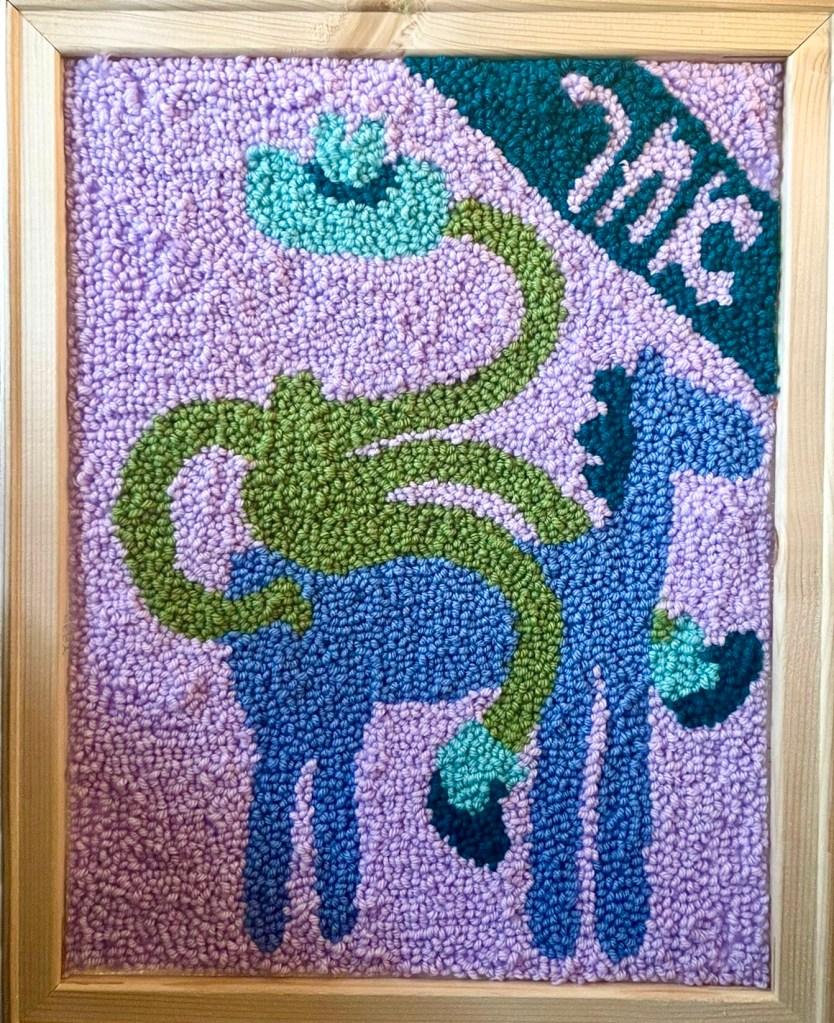
The Irredeemable Elisha Ben Abuyeh (a.k.a. Acher)
With three other sages, Elisha Ben Abuyeh enters a mystical orchard (pardes) and comes out spiritually transformed. Acher is angry at the fact that bad things happen to those who do mitzvot and good things happen to those who transgress, so he vows to break every single mitzvah. He hears whispers of his own damnation, choses heresy over the ways of Torah, and becomes known as ‘Acher’; the Other. While Acher sees himself irredeemable, and perhaps G!d does as well, his friends try to redeem him anyways – showing him and us, the readers, that there is the possibility of redemption for everyone.
Despite eschewing Torah, he affirms other’s ability and right to participate in religious ethics. People like Rabbi Meir and Acher’s daughter take pain to remind Acher and his community that he was learned and has valuable knowledge, which is confirmed by divine interference.
🎨 by Liana Wertman from @torahstudio
Talmud
| Chagigah 14b:8-9 The Sages taught: Four entered the orchard [pardes],i.e., dealt with the loftiest secrets of Torah, and they are as follows: Ben Azzai; and ben Zoma; Aḥer, the other, a name for Elisha ben Avuya; and Rabbi Akiva. Rabbi Akiva, the senior among them, said to them: When, upon your arrival in the upper worlds, you reach pure marble stones, do not say: Water, water, although they appear to be water, because it is stated: “He who speaks falsehood shall not be established before My eyes” (Psalms 101:7). The Gemara proceeds to relate what happened to each of them: Ben Azzai glimpsed at the Divine Presence and died. And with regard to him the verse states: “Precious in the eyes of the Lord is the death of His pious ones” (Psalms 116:15). Ben Zoma glimpsed at the Divine Presence and was harmed, i.e., he lost his mind. And with regard to him the verse states: “Have you found honey? Eat as much as is sufficient for you, lest you become full from it and vomit it” (Proverbs 25:16). Aḥer chopped down the shoots of saplings. In other words, he became a heretic. Rabbi Akiva came out safely. | תָּנוּ רַבָּנַן: אַרְבָּעָה נִכְנְסוּ בַּפַּרְדֵּס, וְאֵלּוּ הֵן: בֶּן עַזַּאי, וּבֶן זוֹמָא, אַחֵר, וְרַבִּי עֲקִיבָא. אֲמַר לָהֶם רַבִּי עֲקִיבָא: כְּשֶׁאַתֶּם מַגִּיעִין אֵצֶל אַבְנֵי שַׁיִשׁ טָהוֹר, אַל תֹּאמְרוּ ״מַיִם מַיִם״, מִשּׁוּם שֶׁנֶּאֱמַר: ״דּוֹבֵר שְׁקָרִים לֹא יִכּוֹן לְנֶגֶד עֵינָי״. בֶּן עַזַּאי הֵצִיץ וָמֵת, עָלָיו הַכָּתוּב אוֹמֵר: ״יָקָר בְּעֵינֵי ה׳ הַמָּוְתָה לַחֲסִידָיו״. בֶּן זוֹמָא הֵצִיץ וְנִפְגַּע, וְעָלָיו הַכָּתוּב אוֹמֵר: ״דְּבַשׁ מָצָאתָ אֱכוֹל דַּיֶּיךָּ פֶּן תִּשְׂבָּעֶנּוּ וַהֲקֵאתוֹ״. אַחֵר קִיצֵּץ בִּנְטִיעוֹת. רַבִּי עֲקִיבָא יָצָא בְּשָׁלוֹם. |
