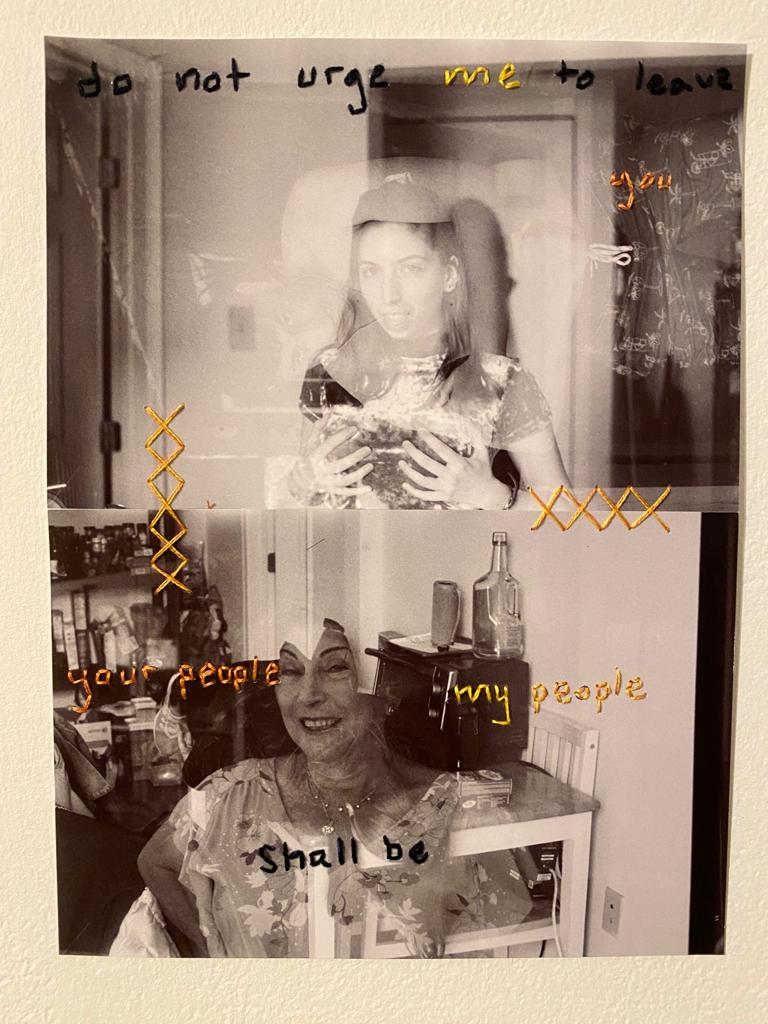
Loyalty. Vows. Late night meetings in the fields.
Ruth, a Moabite woman of unshakable determination who marries into an Israelite family. When that family falls apart, she stays committed to her mother-in-law. They form a dedicated and loving bond that verges on romantic which grows stronger as they figure out how to live together. They eventually expand their relationship to Boaz, an Israelite man, to father and co-parent their child. Through Ruth’s story we see possibility for community integration, sex positive discussions and polycule living, and implicit female agency in life and sexuality.
🎨 by Erica K., with permission from Rae
Tanakh
| English | Hebrew |
| Deuteronomy 23:3-4 No one misbegotten shall be admitted into the congregation of the LORD; none of his descendants, even in the tenth generation, shall be admitted into the congregation of the LORD. No Ammonite or Moabite shall be admitted into the congregation of the LORD; none of their descendants, even in the tenth generation, shall ever be admitted into the congregation of the LORD | דברים כג:ג–ד לֹא־יָבֹ֥א מַמְזֵ֖ר בִּקְהַ֣ל יְהֹוָ֑ה גַּ֚ם דּ֣וֹר עֲשִׂירִ֔י לֹא־יָ֥בֹא ל֖וֹ בִּקְהַ֥ל יְהֹוָֽה׃ לֹֽא־יָבֹ֧א עַמּוֹנִ֛י וּמוֹאָבִ֖י בִּקְהַ֣ל יְהֹוָ֑ה גַּ֚ם דּ֣וֹר עֲשִׂירִ֔י לֹא־יָבֹ֥א לָהֶ֛ם בִּקְהַ֥ל יְהֹוָ֖ה עַד־עוֹלָֽם׃ |
| Ruth 1:1 In the days when the chieftains ruled, there was a famine in the land; and a man of Bethlehem in Judah, with his wife and two sons, went to reside in the country of Moab. | רות א:א וַיְהִ֗י בִּימֵי֙ שְׁפֹ֣ט הַשֹּׁפְטִ֔ים וַיְהִ֥י רָעָ֖ב בָּאָ֑רֶץ וַיֵּ֨לֶךְ אִ֜ישׁ מִבֵּ֧ית לֶ֣חֶם יְהוּדָ֗ה לָגוּר֙ בִּשְׂדֵ֣י מוֹאָ֔ב ה֥וּא וְאִשְׁתּ֖וֹ וּשְׁנֵ֥י בָנָֽיו׃ |
| Ruth 1:4-5 They married Moabite women, one named Orpah and the other Ruth, and they lived there about ten years. Then those two—Mahlon and Chilion—also died; so the woman was left without her two sons and without her husband. | רות א:ד–ה וַיִּשְׂא֣וּ לָהֶ֗ם נָשִׁים֙ מֹֽאֲבִיּ֔וֹת שֵׁ֤ם הָאַחַת֙ עׇרְפָּ֔ה וְשֵׁ֥ם הַשֵּׁנִ֖ית ר֑וּת וַיֵּ֥שְׁבוּ שָׁ֖ם כְּעֶ֥שֶׂר שָׁנִֽים וַיָּמֻ֥תוּ גַם־שְׁנֵיהֶ֖ם מַחְל֣וֹן וְכִלְי֑וֹן וַתִּשָּׁאֵר֙ הָֽאִשָּׁ֔ה מִשְּׁנֵ֥י יְלָדֶ֖יהָ וּמֵאִישָֽׁהּ׃ |
| Ruth 1:14 They broke into weeping again, and Orpah kissed her mother-in-law farewell. But Ruth clung to her. | רות א:יד וַתִּשֶּׂ֣נָה קוֹלָ֔ן וַתִּבְכֶּ֖ינָה ע֑וֹד וַתִּשַּׁ֤ק עׇרְפָּה֙ לַחֲמוֹתָ֔הּ וְר֖וּת דָּ֥בְקָה בָּֽהּ׃ |
| Ruth 1:16-18 But Ruth replied, “Do not urge me to leave you, to turn back and not follow you. For wherever you go, I will go; wherever you lodge, I will lodge; your people shall be my people, and your God my God. Where you die, I will die, and there I will be buried. Thus and more may the LORD do to me if anything but death parts me from you.” When [Naomi] saw how determined she was to go with her, she ceased to argue with her; | רות א:טז–יח וַתֹּ֤אמֶר רוּת֙ אַל־תִּפְגְּעִי־בִ֔י לְעׇזְבֵ֖ךְ לָשׁ֣וּב מֵאַחֲרָ֑יִךְ כִּ֠י אֶל־אֲשֶׁ֨ר תֵּלְכִ֜י אֵלֵ֗ךְ וּבַאֲשֶׁ֤ר תָּלִ֙ינִי֙ אָלִ֔ין עַמֵּ֣ךְ עַמִּ֔י וֵאלֹהַ֖יִךְ אֱלֹהָֽי׃ בַּאֲשֶׁ֤ר תָּמ֙וּתִי֙ אָמ֔וּת וְשָׁ֖ם אֶקָּבֵ֑ר כֹּה֩ יַעֲשֶׂ֨ה יְהֹוָ֥ה לִי֙ וְכֹ֣ה יוֹסִ֔יף כִּ֣י הַמָּ֔וֶת יַפְרִ֖יד בֵּינִ֥י וּבֵינֵֽךְ׃ וַתֵּ֕רֶא כִּֽי־מִתְאַמֶּ֥צֶת הִ֖יא לָלֶ֣כֶת אִתָּ֑הּ וַתֶּחְדַּ֖ל לְדַבֵּ֥ר אֵלֶֽיהָ׃ |
| Ruth 3:1-5 Naomi, her mother-in-law, said to her, “Daughter, I must seek a home for you, where you may be happy. Now there is our kinsman Boaz, whose girls you were close to. He will be winnowing barley on the threshing floor tonight. So bathe, anoint yourself, dress up, and go down to the threshing floor. But do not disclose yourself to the man until he has finished eating and drinking. When he lies down, note the place where he lies down, and go over and uncover his feet and lie down. He will tell you what you are to do.” She replied, “I will do everything you tell me.” She went down to the threshing floor and did just as her mother-in-law had instructed her. | וַתֹּ֥אמֶר לָ֖הּ נׇעֳמִ֣י חֲמוֹתָ֑הּ בִּתִּ֕י הֲלֹ֧א אֲבַקֶּשׁ־לָ֛ךְ מָנ֖וֹחַ אֲשֶׁ֥ר יִֽיטַב־לָֽךְ׃ (ב) וְעַתָּ֗ה הֲלֹ֥א בֹ֙עַז֙ מֹֽדַעְתָּ֔נוּ אֲשֶׁ֥ר הָיִ֖ית אֶת־נַעֲרוֹתָ֑יו הִנֵּה־ה֗וּא זֹרֶ֛ה אֶת־גֹּ֥רֶן הַשְּׂעֹרִ֖ים הַלָּֽיְלָה׃ (ג) וְרָחַ֣צְתְּ ׀ וָסַ֗כְתְּ וְשַׂ֧מְתְּ (שמלתך) [שִׂמְלֹתַ֛יִךְ] עָלַ֖יִךְ (וירדתי) [וְיָרַ֣דְתְּ] הַגֹּ֑רֶן אַל־תִּוָּדְעִ֣י לָאִ֔ישׁ עַ֥ד כַּלֹּת֖וֹ לֶאֱכֹ֥ל וְלִשְׁתּֽוֹת׃ (ד) וִיהִ֣י בְשׇׁכְב֗וֹ וְיָדַ֙עַתְּ֙ אֶת־הַמָּקוֹם֙ אֲשֶׁ֣ר יִשְׁכַּב־שָׁ֔ם וּבָ֛את וְגִלִּ֥ית מַרְגְּלֹתָ֖יו (ושכבתי) [וְשָׁכָ֑בְתְּ] וְהוּא֙ יַגִּ֣יד לָ֔ךְ אֵ֖ת אֲשֶׁ֥ר תַּעֲשִֽׂין׃ (ה) וַתֹּ֖אמֶר אֵלֶ֑יהָ כֹּ֛ל אֲשֶׁר־תֹּאמְרִ֥י [אֵלַ֖י] אֶֽעֱשֶֽׂה׃ וַתֵּ֖רֶד הַגֹּ֑רֶן וַתַּ֕עַשׂ כְּכֹ֥ל אֲשֶׁר־צִוַּ֖תָּה חֲמוֹתָֽהּ׃ |
| Ruth 3:7-13 Boaz ate and drank, and in a cheerful mood went to lie down beside the grainpile. Then she went over stealthily and uncovered his feet and lay down. In the middle of the night, the man gave a start and pulled back—there was a woman lying at his feet! “Who are you?” he asked. And she replied, “I am your handmaid Ruth. Spread your robe over your handmaid, for you are a redeeming kinsman.” He exclaimed, “Be blessed of the LORD, daughter! Your latest deed of loyalty is greater than the first, in that you have not turned to younger men, whether poor or rich. And now, daughter, have no fear. I will do in your behalf whatever you ask, for all the elders of my town may know what a fine woman you are. But while it is true I am a redeeming kinsman, there is another redeemer closer than I. Stay for the night. Then in the morning, if he will act as a redeemer, good! let him redeem. But if he does not want to act as redeemer for you, I will do so myself, as the LORD lives! Lie down until morning.” | רות ג:ז–יג וַיֹּ֨אכַל בֹּ֤עַז וַיֵּשְׁתְּ֙ וַיִּיטַ֣ב לִבּ֔וֹ וַיָּבֹ֕א לִשְׁכַּ֖ב בִּקְצֵ֣ה הָעֲרֵמָ֑ה וַתָּבֹ֣א בַלָּ֔ט וַתְּגַ֥ל מַרְגְּלֹתָ֖יו וַתִּשְׁכָּֽב׃ וַֽיְהִי֙ בַּחֲצִ֣י הַלַּ֔יְלָה וַיֶּחֱרַ֥ד הָאִ֖ישׁ וַיִּלָּפֵ֑ת וְהִנֵּ֣ה אִשָּׁ֔ה שֹׁכֶ֖בֶת מַרְגְּלֹתָֽיו׃ וַיֹּ֖אמֶר מִי־אָ֑תְּ וַתֹּ֗אמֶר אָֽנֹכִי֙ ר֣וּת אֲמָתֶ֔ךָ וּפָרַשְׂתָּ֤ כְנָפֶ֙ךָ֙ עַל־אֲמָ֣תְךָ֔ כִּ֥י גֹאֵ֖ל אָֽתָּה׃ וַיֹּ֗אמֶר בְּרוּכָ֨ה אַ֤תְּ לַֽיהֹוָה֙ בִּתִּ֔י הֵיטַ֛בְתְּ חַסְדֵּ֥ךְ הָאַחֲר֖וֹן מִן־הָרִאשׁ֑וֹן לְבִלְתִּי־לֶ֗כֶת אַֽחֲרֵי֙ הַבַּ֣חוּרִ֔ים אִם־דַּ֖ל וְאִם־עָשִֽׁיר׃ וְעַתָּ֗ה בִּתִּי֙ אַל־תִּ֣ירְאִ֔י כֹּ֥ל אֲשֶׁר־תֹּאמְרִ֖י אֶעֱשֶׂה־לָּ֑ךְ כִּ֤י יוֹדֵ֙עַ֙ כׇּל־שַׁ֣עַר עַמִּ֔י כִּ֛י אֵ֥שֶׁת חַ֖יִל אָֽתְּ׃ וְעַתָּה֙ כִּ֣י אׇמְנָ֔ם כִּ֥י (אם) גֹאֵ֖ל אָנֹ֑כִי וְגַ֛ם יֵ֥שׁ גֹּאֵ֖ל קָר֥וֹב מִמֶּֽנִּי׃ לִ֣ינִי ׀ הַלַּ֗יְלָה וְהָיָ֤ה בַבֹּ֙קֶר֙ אִם־יִגְאָלֵ֥ךְ טוֹב֙ יִגְאָ֔ל וְאִם־לֹ֨א יַחְפֹּ֧ץ לְגׇאֳלֵ֛ךְ וּגְאַלְתִּ֥יךְ אָנֹ֖כִי חַי־יְהֹוָ֑ה שִׁכְבִ֖י עַד־הַבֹּֽקֶר |
| Ruth 4:1-3 Meanwhile, Boaz had gone to the gate and sat down there. And now the redeemer whom Boaz had mentioned passed by. He called, “Come over and sit down here, So-and-so!” And he came over and sat down. Then [Boaz] took ten elders of the town and said, “Be seated here”; and they sat down. He said to the redeemer, “Naomi, now returned from the country of Moab, must sell the piece of land which belonged to our kinsman Elimelech. | רות ד:א–ג וּבֹ֨עַז עָלָ֣ה הַשַּׁ֘עַר֮ וַיֵּ֣שֶׁב שָׁם֒ וְהִנֵּ֨ה הַגֹּאֵ֤ל עֹבֵר֙ אֲשֶׁ֣ר דִּבֶּר־בֹּ֔עַז וַיֹּ֛אמֶר ס֥וּרָה שְׁבָה־פֹּ֖ה פְּלֹנִ֣י אַלְמֹנִ֑י וַיָּ֖סַר וַיֵּשֵֽׁב׃ וַיִּקַּ֞ח עֲשָׂרָ֧ה אֲנָשִׁ֛ים מִזִּקְנֵ֥י הָעִ֖יר וַיֹּ֣אמֶר שְׁבוּ־פֹ֑ה וַיֵּשֵֽׁבוּ׃ וַיֹּ֙אמֶר֙ לַגֹּאֵ֔ל חֶלְקַת֙ הַשָּׂדֶ֔ה אֲשֶׁ֥ר לְאָחִ֖ינוּ לֶאֱלִימֶ֑לֶךְ מָכְרָ֣ה נׇעֳמִ֔י הַשָּׁ֖בָה מִשְּׂדֵ֥ה מוֹאָֽב |
| Ruth 4:5-6 Boaz continued, “When you acquire the property from Naomi and from Ruth the Moabite, you must also acquire the wife of the deceased, so as to perpetuate the name of the deceased upon his estate.” The redeemer replied, “Then I cannot redeem it for myself, lest I impair my own estate. You take over my right of redemption, for I am unable to exercise it.” | רות ד:ה–ו וַיֹּ֣אמֶר בֹּ֔עַז בְּיוֹם־קְנוֹתְךָ֥ הַשָּׂדֶ֖ה מִיַּ֣ד נׇעֳמִ֑י וּ֠מֵאֵ֠ת ר֣וּת הַמּוֹאֲבִיָּ֤ה אֵֽשֶׁת־הַמֵּת֙ (קניתי) [קָנִ֔יתָ] לְהָקִ֥ים שֵׁם־הַמֵּ֖ת עַל־נַחֲלָתֽוֹ׃ וַיֹּ֣אמֶר הַגֹּאֵ֗ל לֹ֤א אוּכַל֙ (לגאול) [לִגְאׇל־]לִ֔י פֶּן־אַשְׁחִ֖ית אֶת־נַחֲלָתִ֑י גְּאַל־לְךָ֤ אַתָּה֙ אֶת־גְּאֻלָּתִ֔י כִּ֥י לֹא־אוּכַ֖ל לִגְאֹֽל׃ |
| Ruth 4:13-17 So Boaz married Ruth; she became his wife, and he cohabited with her. The LORD let her conceive, and she bore a son. And the women said to Naomi, “Blessed be the LORD, who has not withheld a redeemer from you today! May his name be perpetuated in Israel! He will renew your life and sustain your old age; for he is born of your daughter-in-law, who loves you and is better to you than seven sons.” Naomi took the child and held it to her bosom. She became its foster mother, and the women neighbors gave him a name, saying, “A son is born to Naomi!” They named him Obed; he was the father of Jesse, father of David. | רות ד:יג–יז יג) וַיִּקַּ֨ח בֹּ֤עַז אֶת־רוּת֙ וַתְּהִי־ל֣וֹ לְאִשָּׁ֔ה וַיָּבֹ֖א אֵלֶ֑יהָ וַיִּתֵּ֨ן ה’ לָ֛הּ הֵרָי֖וֹן וַתֵּ֥לֶד בֵּֽן׃ (יד) וַתֹּאמַ֤רְנָה הַנָּשִׁים֙ אֶֽל־נׇעֳמִ֔י בָּר֣וּךְ ה’ אֲ֠שֶׁ֠ר לֹ֣א הִשְׁבִּ֥ית לָ֛ךְ גֹּאֵ֖ל הַיּ֑וֹם וְיִקָּרֵ֥א שְׁמ֖וֹ בְּיִשְׂרָאֵֽל׃ (טו) וְהָ֤יָה לָךְ֙ לְמֵשִׁ֣יב נֶ֔פֶשׁ וּלְכַלְכֵּ֖ל אֶת־שֵׂיבָתֵ֑ךְ כִּ֣י כַלָּתֵ֤ךְ אֲֽשֶׁר־אֲהֵבַ֙תֶךְ֙ יְלָדַ֔תּוּ אֲשֶׁר־הִיא֙ ט֣וֹבָה לָ֔ךְ מִשִּׁבְעָ֖ה בָּנִֽים׃ (טז) וַתִּקַּ֨ח נׇעֳמִ֤י אֶת־הַיֶּ֙לֶד֙ וַתְּשִׁתֵ֣הוּ בְחֵיקָ֔הּ וַתְּהִי־ל֖וֹ לְאֹמֶֽנֶת׃ (יז) וַתִּקְרֶ֩אנָה֩ ל֨וֹ הַשְּׁכֵנ֥וֹת שֵׁם֙ לֵאמֹ֔ר יֻלַּד־בֵּ֖ן לְנׇעֳמִ֑י וַתִּקְרֶ֤אנָֽה שְׁמוֹ֙ עוֹבֵ֔ד ה֥וּא אֲבִֽי־יִשַׁ֖י אֲבִ֥י דָוִֽד׃ {פ} |
Midrash
| English | Hebrew/Aramaic |
| Ruth Rabba 2:22 “Ruth said: Do not entreat me to leave you, to return from following you.” What is “do not entreat me”? She said to her: ‘Do not sin to me, do not impose your reservations upon me.’ “To leave you, to return from following you” – in any case, my intention is to convert. It is preferable through you, and not through another. When Naomi heard this, she began arranging the laws of converts for her. She said to her: ‘My daughter, it is not the way of Israelite women to go to theaters and circuses of the gentiles.’ [Ruth] said to her: “Where you go, I will go.” [Naomi] said to her: ‘My daughter, it is not the way of Israel to reside in a house where there is no mezuza.’ [Ruth] said to her: “And where you lodge, I will lodge.” “Your people is my people” – these are punishments and prohibitions.” “Your God is my God” – [these are] the rest of the mitzvot. | רות רבה ב:כב וַתֹּאמֶר רוּת אַל תִּפְגְּעִי בִי לְעָזְבֵךְ לָשׁוּב מֵאַחֲרָיִךְ (רות א, טז), מַהוּ אַל תִּפְגְּעִי בִי, אָמְרָה לָהּ לֹא תֶחֱטָא עָלַי, לָא תִסְּבִין פְּגָעַיִךְ מִנִּי, לְעָזְבֵךְ לָשׁוּב מֵאַחֲרָיִךְ, מִכָּל מָקוֹם דַּעְתִּי לְהִתְגַּיֵּר, אֶלָּא מוּטָב עַל יָדֵךְ וְלֹא עַל יְדֵי אַחֶרֶת. כֵּיוָן שֶׁשָּׁמְעָה נָעֳמִי כָּךְ הִתְחִילָה סוֹדֶרֶת לָהּ הִלְכוֹת גֵּרִים, אָמְרָה לָהּ בִּתִּי אֵין דַּרְכָּן שֶׁל בְּנוֹת יִשְׂרָאֵל לֵילֵךְ לְבָתֵּי תֵּיאַטְרָאוֹת וּלְבָתֵּי קִרְקָסִיאוֹת שֶׁל גּוֹיִם. אָמְרָה לָהּ, אֶל אֲשֶׁר תֵּלְכִי אֵלֵךְ. אָמְרָה לָהּ בִּתִּי אֵין דַּרְכָּן שֶׁל יִשְׂרָאֵל לָדוּר בְּבַיִת שֶׁאֵין שָׁם מְזוּזָה. אָמְרָה לָהּ, בַּאֲשֶׁר תָּלִינִי אָלִין עַמֵּךְ עַמִּי, אֵלּוּ עֳנָשִׁין וְאַזְהָרוֹת. וֵאלֹהַיִךְ אֱלֹהָי, שְׁאָר מִצְווֹת. |
Modern Halacha
from Where You Go I Will Go: A Halakhic & Symbolic Consideration of Ruth’s Oath as a Wedding Vow by Rabbi Irwin Keller
As discussed above in his takkanah, “Halakhic and Metahalakhic Arguments Concerning Judaism and Homosexuality,” Rabbi Gordon Tucker encourages us to honor the juridical weight of aggadah, i.e. material drawn from life stories and not just from legal texts. The Book of Ruth is classical aggadah, i.e. not a legal text – at least not overtly so. It tells the story of two women at the margins, stateless and statusless, who forge a special bond that allows them to create a future on their own terms. Modern queer people will inevitably see their own life stories and struggles reflectedin the aggadic qualities of the Book of Ruth. LGBTQI people know what it is like to live on the margins. They know what it is like to form bonds of love or close alliance despite the absence of social forms for it. They know what it is like to form family in ways that might not be seen by others as family. They know what it is like to be at risk simply for being who they are. Queer people may feel very seen in the Book of Ruth, and that fullness of identification makes Ruth’s Oath a meaningful choice for same-sex couples.
Ruth is clearly committed to being family with Naomi, and she goes ahead and effectuates it, without community or governmental sanction, without a long-rehearsed ritual, and without terminology to describe who they are to each other. Her words are spontaneous, humble, and agentive. Ruth’s words are also effective. Ruth’s Oath, and the lived truth of their story, create a family and, ultimately, a household in Israel, whether or not we have exact terminology to describe their relationships. So clearly is their primary bond to each other seen and understood by others (or at least by other women) that when Ruth, at the story’s end, has a baby – the legacy that is the reward of her devotion – it is spoken of as Naomi’s:
דָוִֽד׃ אֲבִ֥י אֲבִי־יִשַׁ֖י אUה֥ בֵ֔דIע֙ Iשְׁמ וַתִּקְרֶ֤אנָֽה לְנָעֳמִ֑י ֵ֖ןCיֻלַּד־ לֵאמֹ֔ר֙ שֵׁם תIהַשְּׁכֵנ֥ Iל֨֩ וַתִּקְרֶאנָה
The neighbor women gave him a name, saying, “A son is born to Naomi!”
They named him Oved; he was the father of Jesse, father of David.The phrase “a son is born to Naomi” validates what many queer families struggle to achieve: to uplift their families and be held as family by others. It elevates kinship over biology The wise neighbor women knew the baby was Naomi’s, even though Naomi had no genetic connection with Oved. She was nonetheless offered the honor due a parent. In fact, the whole Book of Ruth hovers around the question of kinship versus biology. Much of the action rests on Naomi’s knowledge of the system of yibum or “levirate marriage,” under which a younger brother is under obligation to marry his older brother’s widow if they had not yet produced an heir. In levirate marriage, a social category of lineage supplants a biological one. The child of yibum is the heir of a dead father, not of the person whose DNA they directly carry. The Book of Ruth expands the scope of yibum by creating an obligation in cousins, even distant cousins, to marry a childless widow. It is this [somewhat fictionalized] obligation that propels the story.
Even though Ruth’s “redemption” by and marriage to Boaz is a legitimating factor at the story’s conclusion, there remains a delicate dance about parentage and kinship. In the list of “begettings” at the end of the book that leads us to King David, we see that Boaz “begat” Oved. And yet nowhere in the book is Boaz explicitly referred to as Oved’s father, or Oved as Boaz’s son. It seems that Boaz’s genetic connection is acknowledged but his social role as father is being underplayed. Oved is also not referred to as the son of Machlon, which one would expect under the levirate laws Boaz is identifed by the neighbor women as Naomi’s go’el, or redeemer under the levirate laws, rather than Ruth’s, and Naomi is identified as the baby’s omenet – guardian or foster-parent, the same relationship Mordecai has with Esther. Especially interesting is that the neighbor women call Ruth Naomi’s kalah, a word that can equally mean daughter-in-law or bride. This is not to say that Ruth was Naomi’s bride in any technical way. But there is a recognition here that Ruth and Naomi were in a relationship with each other for which words did not suffice; Ruth was daughter-like and bride-like to Naomi; she pledged her lifelong commitment to herand gave her a child that was recognized as belonging to them both. This very conscious awareness of how kinship is produced and honored will resonate with the experience of queer people. Queer families make children in a range of
ways – known donors, anonymous donors, surrogacy, and co-parenting arrangements in which, as arguably in the case of baby Oved, there are more than two people with the social role of parent, even if not all of them are legally recognized. This is a deep knowing in queer communities. It is also a piece of what makes the Ruth-Naomi story familiar. We may struggle with finding the terminology for Ruth and Naomi’s bond in any language. But as a model of alternative family formation, it resonates deeply with queer people, whose relations and families are based on conscious family formation, and rarely on accident.This aggadic affinity between queer people and the very queer story of Ruth and Naomi set the stage for the Ruth Oath to manifest as a deeply validating and enlivening declaration when marrying and forming a family. On this symbolic level, it resonates true, and it invites in midot – qualities – of love, devotion, struggle, success, survival, family, renewal and legacy. A pretty good yield for an investment of 28 words.
